Traoré says “forget democracy”
In Burkina Faso, the head of the military junta, Ibrahim Traoré, said: At the beginning of April, democracy was “not for us” during an interview broadcast on national television. He explicitly rejected the holding of the next elections and extension military control, citing insecurity persistent as justification. This position represents a major step backwards compared to previous commitments. a transition to civilian power.
Cameroon: constitutional reform and criticism
At the same time, Paul Biya, president of Cameroon for more than four decades, saw his country adopt a constitutional reform. This reform restores the position of vice-president, named directly by the president. Opponents and some observers denounce this measure as an excessive strengthening of the executive, potentially to the detriment of democratic checks and balances.
Two symbolic trajectories for democracy
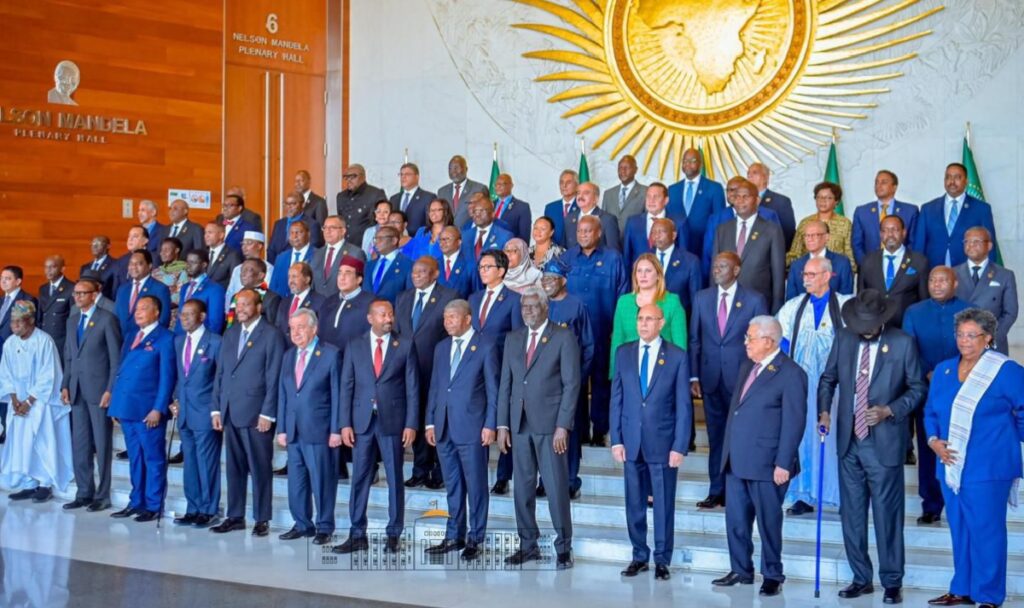
These developments illustrate two contrasting but converging African trajectories: one where democracy is questioned by one military leader, the other where institutions are adjusted from above without broad popular consultation. Together, they fuel debates on the resilience of democracy on the continent.
Clear analysis of two key figures who embody the democratic challenges in Africa today.