
An assumed political rupture
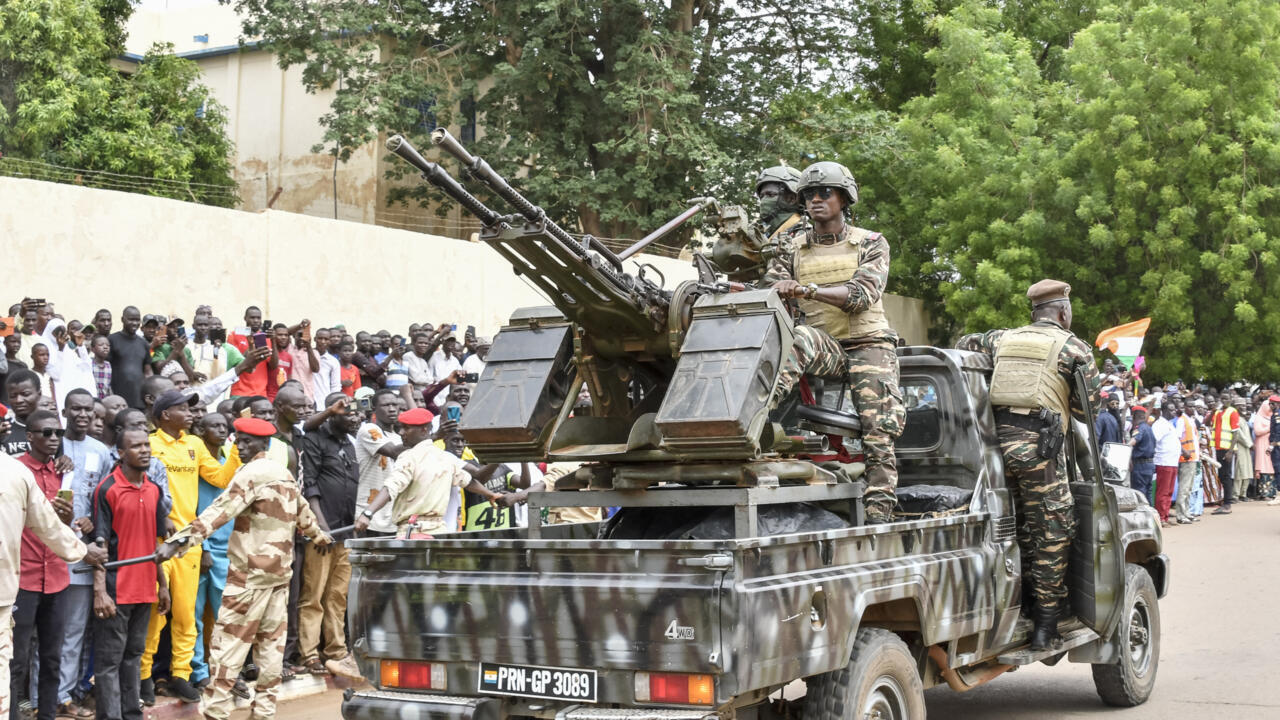
Since (period to be confirmed), the AES has appeared as a block of sovereignty. and strategic reorientation. The tone is more direct, the messages more identity-based, the promise simpler: regain control. In the Sahelian capitals, this posture responds to a popular demand for protection and dignity.
Reality budget catches up with the narrative
Behind the slogans, the States face hard constraints: security spending, social pressure, inflation, limited tax revenue. À In the short term, external financing remains a vital net, whether it comes from bilateral partners, multilateral institutions or refinancing mechanisms. Without this oxygen, the public treasury becomes strained and investment declines.
An unstable balance: sovereignty vs solvency
The challenge of the AES is to reconcile the diplomatic rupture with credibility. minimal financial support. This requires trade-offs: reforms, transparency, budgetary priorities, and capacity to implement. à attract funding without losing control of the political agenda. In short: display autonomy, while securing resources.
The real test: hold up over time
The question is not only "who finances", but "who finances" what conditions” and “for what results”. If security tensions persist and growth remains weak, dependence increases. And the more urgent the need, the more the balance of power becomes unbalanced.