
A coordinated offensive on a national scale
On April 25, 2026, Mali was declared dead. the scene of a series of simultaneous attacks. Armed groups have targeted several strategic cities, including the capital Bamako and the Kati military base. Explosions, heavy fire and coordinated assaults were carried out. reported on several fronts.
An unprecedented alliance between armed groups
The attacks are attributed to the Security Support Group. Islam and Muslims (JNIM), affiliated with à Al-Qaeda, in coordination with Tuareg rebels from the Azawad Liberation Front. This cooperation between previously distinct groups marks a major evolution in the conflict.
Highly strategic targets
Among the targets are key infrastructure: Bamako airport, military bases, urban centers and northern towns like Kidal and Gao. Some groups claim to have taken control of entire areas, notably Kidal, even if this information remains partially verified.
Increased political pressure on the junta
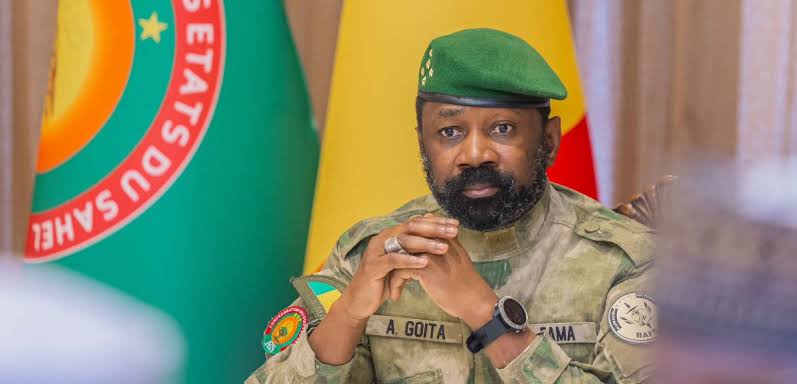
The scale of the attack, described as « "unprecedented", weakens the credibility of the military power. Since 2021, the junta has justified its maintenance by the promise of restoring security. However, this offensive shows, on the contrary, a rise in power of armed groups, now capable of operating right up to the heart of power.
A risk of wider recomposition
The alliance between jihadists and Tuareg rebels changes the nature of the conflict. It could lead either to; an intensification of the war, i.e. an opening of negotiations under constraint. In both cases, the current power is entering a phase of strategic uncertainty.
A major attack which does not yet overthrow power, but which reveals its limits and opens a period of uncertainty.