
A decision that strikes at the heart of the pricing strategy
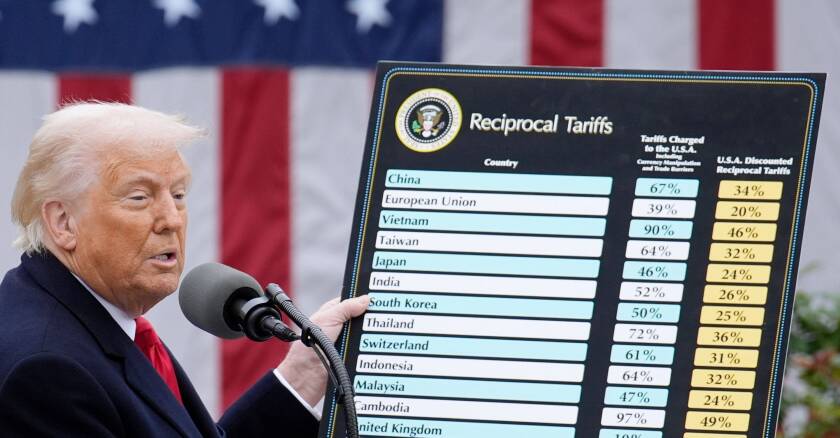
According to several media including Le Monde and Reuters, on February 20, 2026, the Supreme Court of the United States annulled the decision. a large part of the customs duties imposed by Donald Trump. The judges consider that the legal justification put forward did not allow these taxes to be introduced at a higher rate. such a scale. Result: a central lever of commercial policy finds itself severely limited.
The key point : who has the power to tax
At the center of the matter, a simple question: can the president, alone, impose tariffs using an economic emergency system? The Court answers no, and recalls that the capacity to raise taxes falls under a clearly framed mandate. by Congress. The decision thus establishes a clearer border between executive power and legislative power in matters of commerce.
Trump counterattacks on another ground
Donald Trump denounced a political and legal setback, while claiming to have “alternatives”. According to several media, the executive is exploring other texts to reintroduce customs duties, potentially in a temporary or targeted form. Another file now opens: the question of lost revenue... and possible reimbursements for businesses.
Immediate economic impact, lasting uncertainty
À In the short term, the decision weakens the readability of the of American trade policy. United States partners are awaiting clarification on the new framework, while economic players are scrutinizing the risk of successive changes. The battle is shifting: less on the “if”, more on the “how”.
A decision that does not only talk about tariffs: it redraws the limits of presidential power and relaunches the commercial battle on new ground.