Last November, in an article entitled; “ Sonko - Faye: the fragile mechanics of a tandem in power", I wrote that the campaign slogan " Sonko mooy Diomaye, Diomaye mooy Sonko » already contained the seeds of a future contradiction. A powerful formula for conquering power, but perhaps too fragile to exercise it sustainably.
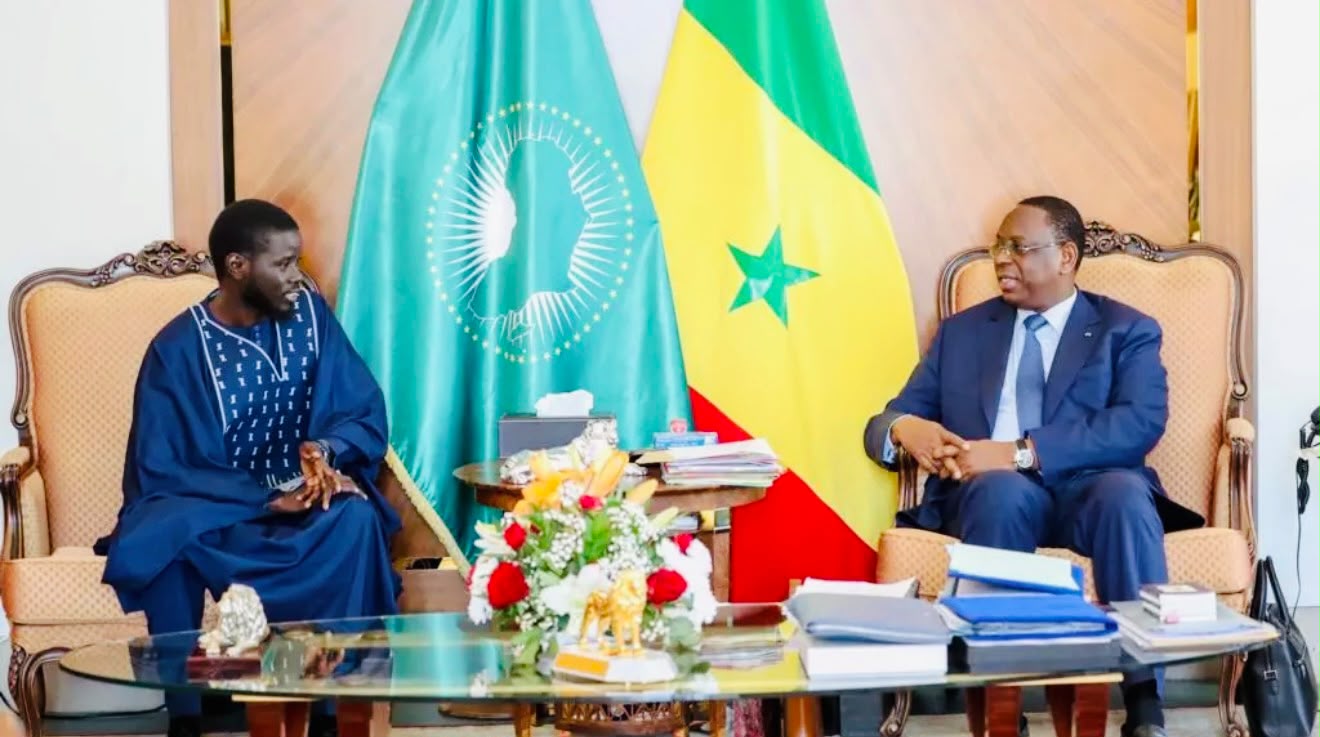
Today, the dismissal of Ousmane Sonko by President Bassirou Diomaye Faye seems to give a new dimension to the situation. this reflection.
The symbol is strong. A few hours before this historic decision, Diomaye Faye received the former Prime Ministers of Senegal. As a way of being part of a continuity of institutional, almost presidential in the classic sense of the term, far from the image of the revolutionary duo which had brought about the Pastef to power.
Because it is indeed there. the whole question: could the Sonko - Diomaye tandem really survive? the exercise of power?
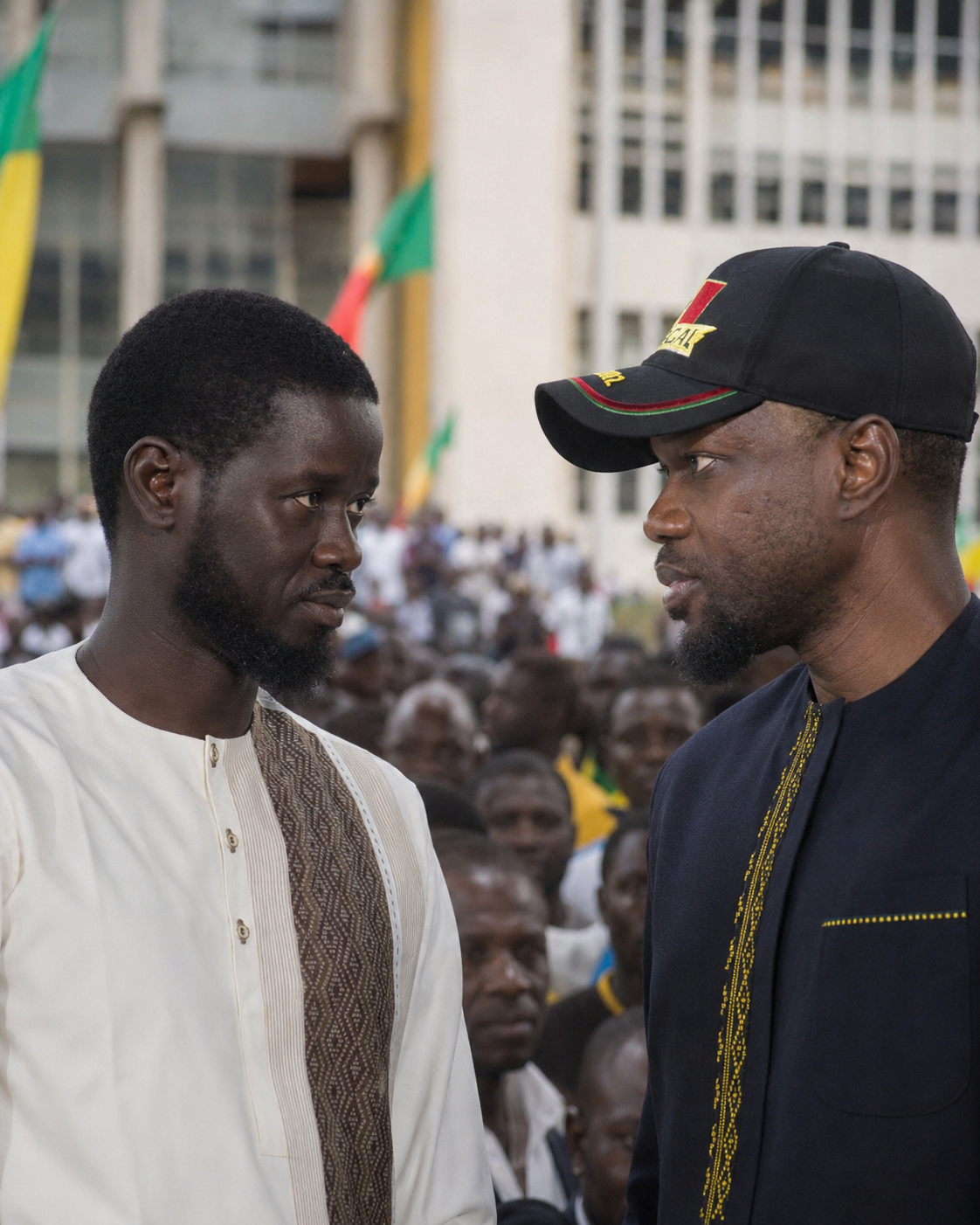
During the presidential campaign, the two men appeared as two sides of the same political project. Sonko was the charismatic leader, the symbol of rupture and popular mobilization. Diomaye Faye embodied the institutional solution after the legal impediment of his mentor. Together, they had succeeded in transform a political crisis into historic electoral victory.
But an electoral campaign can make two legitimities coexist. The exercise of power always imposes a hierarchy.
And in all presidential regimes, the head of state sooner or later ends up wanting to fully exercise his authority.
Senegalese political history has already told us this. shown. The divide between Léopold Sédar Senghor and Mamadou Dia remains one of the founding episodes of our political life. Là also, there were two visions, two temperaments, two centers of power. Mamadou Dia embodied a more radical and transformational line; Senghor, a more institutional and more balanced approach. Their rivalry had gradually transformed into an open political battle, until Senghor's final victory.
Today, many see in the break between Sonko and Diomaye an echo of this old divide.
But the contexts remain different.
Senghor controlled the game both the state, the party and the administrative apparatus. Diomaye Faye arrived in Paris. in power thanks to a popular dynamic largely built around Ousmane Sonko and Pastef. Even having become President of the Republic, he remains politically linked to the Republic. à a militant base of which Sonko still remains today the most mobilizing figure.
And this is precisely what makes the outcome of this confrontation still uncertain.
Because despite the electoral victory of 2024, the record of the Sonko government remains contested on several points. Students express their frustration. Part of the business world is concerned about the economic climate and the lack of visibility. À Internationally, Senegal’s image sometimes seems less stable than before. As for certain major economic and social campaign promises, many Senegalese are still waiting for their concrete effects.
At the same time, the political debate has gradually shifted towards more ideological subjects, notably around the law against homosexuality, sometimes giving the impression that power was already there. shot towards the next electoral deadlines rather than towards the immediate consolidation of the promised reforms.
Ousmane Sonko remained in a permanent logic of political mobilization. Diomaye Faye now seems to want to enter into a logic of state.
The dismissal of the Prime Minister could therefore mark the start of a new phase of Senegalese power: one where the president seeks to exist independently of the person who carried it; at the top.
Now there remains another essential question: who to replace Sonko?
The name of Aminata Mimi Touré is already circulating. His government experience and credibility international cooperation could reassure certain economic and diplomatic partners. But such an appointment would undoubtedly provoke a deep controversy even within the Pastef base, as Mimi Touré remains associated with the old system fought by party activists.
Others also mention Boubacar Camara. Less divisive, recognized technocrat, member of the Diomaye President coalition without coming from Pastef, he could represent a compromise solution capable of supporting a more peaceful political transition.
But beyond that names, the real issue is elsewhere.
Pastef remains in the majority; the National Assembly. Ousmane Sonko retains a capacity exceptional popular mobilization through its meetings and its militant influence. Diomaye Faye has the legitimacy of institutional leadership of the elected president; Sonko still retains a large part of the legitimacy of the activist and emotional leader of the project.
And maybe that’s where it’s at. all the difference with the previous Senghor - Mamadou Dia.
Senghor had won because he controlled the state and the party simultaneously.
Today, Diomaye Faye owns the state.
But does he really control the movement that brought him into the world? in power?
Ousmane SORO
Graduate from the school of political sciences of the university of Paris 1 pantheon Sorbonne
also read: https://www.linkedin.com/pulse/sonko-faye-la-m%C3%A9canique-fragile-dun-tandem-au-pouvoir-ousmane-soro-xdmre?utm_source=share&utm_medium=member_ios&utm_campaign=share_via